
5 Practical Reasons to Use an AI Baby Generator
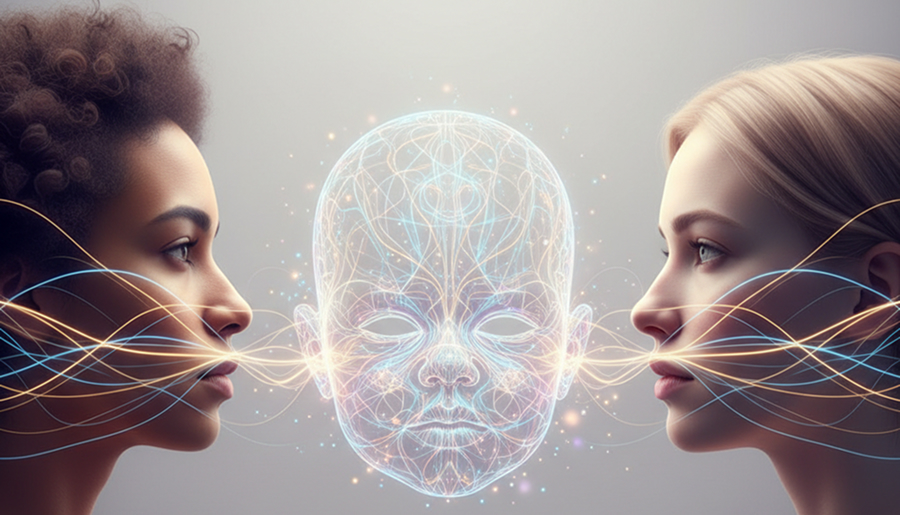
The journey toward parenthood is often filled with anticipation, dreams, and countless questions. From imagining tiny fingers and toes to pondering future personalities, prospective parents naturally envision the child they hope to welcome into their lives. In an era where technology increasingly intertwines with our most personal aspirations, artificial intelligence (AI) has emerged as a fascinating tool, offering a unique glimpse into these future possibilities. AI baby generators, sophisticated platforms that predict a child's appearance based on parental features, are transforming how couples and individuals approach the early stages of family planning.
These innovative tools go beyond mere novelty; they offer tangible, practical benefits that support emotional preparation, facilitate communication, and enhance the overall experience of anticipating a new family member. Far from replacing the natural wonder of conception or adoption, AI baby generators serve as a supportive companion, enriching the imaginative landscape of future parents. By leveraging advanced algorithms, these platforms provide a visual anchor for dreams, making the abstract concept of a future child feel more concrete and immediate. For the emotional side of this experience, see The Psychology of Seeing Your Future Child.
Understanding the Core Reasons to Use an AI Baby Generator
The decision to embark on the path to parenthood is profound, marked by significant emotional and practical considerations. Modern technology, particularly AI, now offers novel ways to navigate this journey, providing tools that enhance connection and foresight. Among these, AI baby generators stand out for their ability to bring a future child's potential appearance to life, offering compelling practical reasons to use an AI baby generator. These platforms are not just about predicting physical traits; they serve as catalysts for deeper conversations, emotional bonding, and a unique form of preparation. Let's explore the fundamental advantages these AI tools bring to the table for expectant parents and those dreaming of family expansion.
Reason 1: Visualizing Possibilities Quickly and Vividly
One of the most compelling reasons to use an AI baby generator is its unparalleled ability to visualize possibilities quickly and vividly. Before the advent of sophisticated AI, imagining what a future child might look like was largely left to guesswork, often based on comparing parental features or looking at baby photos of relatives. While charming, these methods lacked the immediate, personalized detail that AI now provides. An AI baby generator takes high-quality images of both parents and, through complex algorithms, blends and predicts facial features, skin tone, hair color, and eye color to create a realistic representation of a potential child. This process happens almost instantaneously, transforming abstract hopes into tangible images.
The emotional impact of seeing a potential future child's face, even a digitally generated one, can be profound. It transforms the often-abstract concept of "having a baby" into a vivid, relatable image. For many, this visualization sparks an immediate sense of connection and excitement, making the prospect of parenthood feel more real and imminent. It allows individuals and couples to see themselves as parents, fostering a deeper emotional attachment to the idea of their future family. This quick visualization can be particularly powerful for those undergoing fertility treatments or considering adoption, offering a hopeful glimpse into the future during what can often be a challenging emotional period.
Consider the capabilities of a platform like BabyGen. Users can upload clear photos of both parents, and the AI analyzes and blends their unique facial features. Beyond simply generating an image, BabyGen offers the ability to select the baby's age, ranging from 1 to 25 years, and even choose the gender. This feature significantly enhances the visualization process, allowing parents to imagine their child at various life stages, from a cherubic toddler to a young adult. The high-resolution image generation ensures that these predictions are not blurry or cartoonish but remarkably detailed and lifelike, further solidifying the emotional connection. We've observed countless couples express sheer delight and sometimes even tears upon seeing their generated baby, remarking on how much it resembles both parents, even down to subtle expressions. This immediate, high-fidelity visualization serves as a powerful emotional anchor, making the journey to parenthood feel more concrete and joyful.
Reason 2: Facilitating Easier Conversations for Couples
Parenthood is a shared journey, and open communication between partners is paramount. However, initiating detailed discussions about a future child's appearance, personality, or even the practicalities of raising a family can sometimes feel abstract or daunting. This is another significant reason to use an AI baby generator: it provides a neutral, engaging, and often humorous starting point for these crucial conversations. Instead of abstractly discussing "who the baby will look like," couples can now react to a tangible image, sparking natural and often lighthearted dialogue.
The generated images act as a visual aid, transforming what might be a theoretical discussion into an interactive experience. Couples can look at the predicted image and discuss whose features are more prominent, what traits they hope their child inherits, or even start brainstorming names. This shared visual experience can bridge communication gaps, especially for partners who might express their feelings differently. For instance, one partner might be more outwardly excited, while the other processes emotions internally. The AI-generated image offers a common ground, allowing both to engage with the idea of their future child in a concrete way.
Moreover, these images can help couples align their expectations and dreams. Perhaps one partner envisions a child with a specific hair color, while the AI prediction shows something different. This can lead to discussions about genetics, family traits, and the beautiful unpredictability of life, fostering a deeper understanding and appreciation for each other's perspectives. It moves beyond simple "what ifs" to "what nows," encouraging practical planning and emotional alignment. BabyGen's feature allowing images to be easily downloaded and shared makes this process even more seamless, enabling couples to view and discuss the results together at their convenience, whether they're side-by-side or communicating remotely. This shared imaginative play strengthens their bond, creating a foundation of excitement and collaboration even before conception. It transforms a potentially abstract topic into an engaging, shared experience that brings partners closer as they dream together.
Reason 3: Enhancing Value with Repeat Generations and Explorations
The journey of family planning is rarely a one-time event; it often involves evolving thoughts, changing perspectives, and a deepening emotional connection over time. This iterative nature is precisely where the third key reason to use an AI baby generator—its ability to enhance value through repeat generations and explorations—becomes incredibly beneficial. Unlike a single, static prediction, the capacity to generate multiple images offers a dynamic and enriching experience, allowing users to explore a wider spectrum of possibilities and deepen their engagement with the concept of their future child.
Generating multiple images can serve several practical and emotional purposes. For instance, couples might initially generate a baby image and then, after some time, decide to generate another, perhaps selecting a different gender or age to see varied outcomes. This iterative process allows for a more comprehensive visualization of potential children, acknowledging the vast genetic diversity and the beautiful unpredictability of human development. It’s not about finding the "perfect" image, but rather about embracing the range of possibilities and fostering a broader connection to the idea of parenthood. Each new generation can spark fresh conversations, renewed excitement, and a deeper sense of anticipation.
Platforms like BabyGen, which operate on a token-based system where one token equals one generated image, inherently encourage this exploratory approach. Users can make a one-time $2 purchase for a token or acquire an active token pack, providing the flexibility to generate numerous images over time. This model offers significant value because it supports the natural evolution of parental dreams. A couple might generate an infant image today, then a toddler image next month, and perhaps a teenager image a year later. This ongoing interaction with the AI tool allows the emotional connection to grow and adapt, mirroring the actual progression of a child's life. It transforms the AI baby generator from a fleeting novelty into a sustained tool for emotional engagement and imaginative planning. This ability to revisit and regenerate images provides a continuous source of joy and anticipation, making the investment in the service yield ongoing emotional returns as parents delight in exploring the many faces their future child might have.
Reason 4: A Unique Tool for Emotional Preparation and Bonding
Beyond mere visual prediction, an often-underestimated yet profoundly impactful reason to use an AI baby generator is its role as a unique tool for emotional preparation and bonding. The transition to parenthood, whether through biological conception, adoption, or surrogacy, is a significant life event that requires substantial emotional adjustment. AI baby generators offer a gentle, engaging way to begin this preparation, fostering a sense of connection and reality long before a child arrives.
Seeing a generated image of a future child can help individuals and couples internalize the idea of becoming parents. It moves the concept from an abstract future event to a more concrete reality, prompting deeper emotional engagement. This visual cue can trigger a cascade of thoughts and feelings related to parenthood: what kind of parent will I be? What values do I want to instill? What dreams do I have for this child? These internal reflections are crucial for emotional readiness, allowing prospective parents to begin envisioning their roles and responsibilities in a tangible way.
Moreover, the process of generating and discussing these images can serve as a powerful bonding experience for partners. It creates a shared imaginative space where they can dream together, discuss potential names, imagine future milestones, and even talk about parenting styles. This shared anticipation strengthens their relationship, building a foundation of mutual excitement and collaboration. For single parents by choice, or those pursuing adoption, the AI generator can provide a personal and private way to connect with the idea of their future family, offering a visual representation to nurture their hopes and dreams. It’s a way to start "parenting" in the imagination, allowing emotions of love, protectiveness, and anticipation to develop. This early emotional connection, facilitated by a simple image, can make the eventual transition to actual parenthood feel more natural and less overwhelming, providing a psychological bridge to the future.
Reason 5: Bridging Gaps in Modern Family Planning and Inclusivity
The landscape of modern family planning is wonderfully diverse, encompassing a wide array of paths to parenthood. However, traditional methods of imagining a future child often implicitly assume a heterosexual couple and biological conception, leaving many individuals and couples feeling excluded or without a visual reference point. This highlights a crucial reason to use an AI baby generator: its capacity to bridge these gaps, offering an inclusive and empowering tool for all aspiring parents, regardless of their unique family structure or journey.
For same-sex couples, an AI baby generator offers an invaluable opportunity to visualize a child that blends features from both partners. In the absence of biological connection from both parents, this technology provides a unique and meaningful way to see a "combination" of their shared love, fostering a sense of joint creation and anticipation. It validates their family unit by offering a visual representation that reflects their partnership. Similarly, for single parents by choice, the AI can blend their features with a hypothetical partner or even generate a child based solely on their own features, offering a personalized glimpse into their future family.
Furthermore, for individuals and couples navigating fertility challenges or considering adoption, the emotional journey can be particularly arduous. An AI baby generator can serve as a beacon of hope, providing a tangible image to hold onto during difficult times. It offers a visual reminder of the dreams they are striving for, helping to sustain optimism and emotional resilience. While adoption involves embracing a child with their own unique genetic heritage, using an AI tool can still be a preparatory step, allowing prospective adoptive parents to engage with the abstract idea of a child in their home, fostering a sense of readiness and excitement. The privacy-first approach of platforms like BabyGen, where photos are processed securely and results are deleted after 24 hours, ensures that these deeply personal explorations can be conducted with complete discretion and peace of mind, making the tool accessible and comforting for everyone on their unique path to parenthood. This inclusivity makes AI baby generators a truly modern and compassionate aid in the diverse world of family building.
The Science Behind the Smile: How AI Baby Generators Work
Understanding the sophisticated technology powering AI baby generators demystifies their capabilities and underscores their innovative nature. These platforms are not simply merging two images; they employ advanced artificial intelligence, specifically deep learning and neural networks, to predict facial features with remarkable accuracy. The process is a testament to the rapid advancements in computational vision and genetic modeling.
At its core, an AI baby generator like BabyGen utilizes complex algorithms trained on vast datasets of human faces. These datasets include images of parents and their biological children, allowing the AI to learn the intricate patterns of genetic inheritance related to facial features. When users upload clear photos of both parents, the AI performs several critical steps:
- Facial Recognition and Feature Extraction: The AI first identifies key facial landmarks on each parent's photo—such as the shape of the eyes, nose, mouth, jawline, and forehead. It also analyzes subtle attributes like skin texture, hair color, eye color, and even the nuances of facial expressions.
- Genetic Blending Algorithms: This is where the "magic" happens. The AI applies sophisticated morphokinetic algorithms, which are mathematical models designed to simulate how genetic traits combine and express themselves in offspring. It doesn't just average features; it understands dominant and recessive traits, probabilities, and the complex interplay of genes. For example, if one parent has a dominant gene for dark hair and the other has a recessive gene for light hair, the AI can predict the likelihood and visual outcome.
- Neural Network Processing: Deep neural networks, a type of AI inspired by the human brain, are crucial for synthesizing these blended features into a coherent and realistic image. These networks can generate entirely new pixel data that resembles a human face, ensuring the predicted baby's face looks natural and not like a crude overlay. They learn to create a harmonious blend that respects anatomical correctness and aesthetic appeal.
- Age and Gender Transformation: For platforms offering age and gender selection, additional AI models are employed. These models are trained on how faces typically age and how features differ between genders, allowing the AI to transform the predicted infant face into a toddler, child, or even a young adult, while maintaining the core genetic resemblance to the parents.
Crucially, throughout this intricate process, data privacy and security are paramount. BabyGen, for instance, emphasizes a privacy-first approach. User photos are processed securely using encryption and robust data handling protocols. Furthermore, a key feature of responsible AI baby generators is the automatic deletion of all uploaded photos and generated results after a specified period, typically 24 hours. This ensures that personal biometric data is not stored long-term, providing users with peace of mind regarding their sensitive information. The entire operation is designed to be a transient, secure, and insightful experience, leveraging cutting-edge AI to bring future possibilities to life.
Practical Considerations and Ethical Dimensions
While AI baby generators offer exciting possibilities and practical benefits, it is essential to approach their use with a balanced perspective, understanding both their capabilities and their limitations. Thoughtful consideration of practical aspects and ethical implications ensures a responsible and enriching experience.
Setting Realistic Expectations
The images generated by AI are predictions, not guaranteed blueprints. Genetics are incredibly complex, influenced by a vast array of factors, including dominant and recessive genes, polygenic traits, and even epigenetic modifications. The AI provides a highly probable visual outcome based on learned patterns, but it cannot account for every genetic permutation or the subtle influences that shape a child's appearance over time. Hair color, eye color, and facial structures are often influenced by multiple genes, and the AI interprets these probabilities. Therefore, users should view the generated images as a delightful glimpse into a potential future, rather than an exact photograph of their unborn child. The beauty of human development lies in its unique and often surprising outcomes, and an AI prediction should augment, not diminish, this wonder.
The Role of Genetics vs. Environment
A child's appearance is primarily determined by genetics, which is what AI baby generators analyze. However, a child's overall development, personality, and even subtle physical traits are also profoundly shaped by environmental factors, nutrition, lifestyle, and individual growth patterns. The AI focuses on inherited physical characteristics, offering no insight into personality, intelligence, or health. It is crucial to remember that the AI is a tool for visual prediction, not a comprehensive life predictor. The love, care, and environment provided by parents will play an equally, if not more, significant role in shaping the child they welcome into the world.
Ethical Use and Avoiding Misuse
The power of AI comes with a responsibility for ethical use. Here are some key considerations:
- Consent: Always ensure that both individuals whose photos are used have given explicit consent. Using someone's image without their permission, even for a seemingly innocuous purpose, raises privacy concerns.
- Emotional Impact: Be mindful of the emotional impact of sharing generated images, especially with family members who might have strong opinions or expectations. Frame the images as a fun exploration rather than a definitive prediction.
- Avoiding Comparison: Discourage the use of AI-generated images to create unrealistic expectations or to compare a child's actual appearance unfavorably to the prediction. Every child is unique and beautiful in their own right.
- Data Privacy: As highlighted earlier, choosing platforms with robust privacy policies is critical. BabyGen's commitment to secure processing and deletion of data after 24 hours exemplifies best practices. Users should always verify a platform's data handling policies before uploading personal images. Avoid services that require extensive personal information or claim ownership of your generated images.
Not Medical Advice Disclaimer
It is important to state clearly that AI baby generators are for entertainment and emotional preparation purposes only. They do not provide medical advice, genetic counseling, or diagnostic information. Any concerns regarding genetic inheritance, health, or fertility should always be discussed with qualified medical professionals or genetic counselors. The AI tool is a creative aid for imagination, not a substitute for professional medical guidance. By embracing these practical and ethical considerations, users can maximize the positive impact of AI baby generators, ensuring a joyful and responsible experience on their journey to parenthood.
The Evolving Landscape of AI in Parenthood
The integration of AI into family planning, exemplified by AI baby generators, represents just the beginning of a fascinating evolution. As artificial intelligence continues to advance, its role in supporting and enriching the journey of parenthood is poised to expand in profound ways. This evolving landscape promises even more sophisticated tools that offer deeper insights, greater personalization, and enhanced emotional support for families.
Future iterations of AI baby generators might incorporate more nuanced genetic modeling, potentially predicting not just facial features but also a broader range of inherited traits, such as propensity for certain talents or even metabolic characteristics (with appropriate ethical safeguards and disclaimers, of course). The AI could become even more adept at simulating growth and development, offering dynamic, animated visualizations of a child aging from infancy through adulthood, providing an even more immersive and personalized experience. Imagine a tool that could show a time-lapse of your predicted child's face evolving over two decades, offering an unparalleled sense of connection and foresight.
Beyond visual prediction, AI is already making inroads into other aspects of parenthood. AI-powered apps assist with tracking fertility cycles, monitoring pregnancy milestones, and even analyzing baby cries for patterns that might indicate hunger or discomfort. In the future, we could see AI assistants that offer personalized parenting advice based on a child's developmental stage, learning styles, or even temperament, drawing from vast databases of child psychology and educational research. These tools would act as intelligent companions, offering tailored suggestions and resources, empowering parents with information and support.
However, it is crucial to reiterate that AI's role in parenthood will always be that of a supportive tool, not a replacement for human connection, intuition, or the profound emotional bonds that define family. The warmth of a parent's touch, the wisdom of lived experience, and the unique, unpredictable joys of raising a child are irreplaceable. AI can enhance our understanding, facilitate communication, and offer delightful glimpses into the future, but it cannot replicate the essence of human love and interaction.
The ethical considerations will also continue to evolve alongside the technology. Discussions around data privacy, the potential for digital bias, and the psychological impact of AI predictions will remain paramount. Responsible development and deployment of these technologies will require ongoing dialogue between technologists, ethicists, parents, and policymakers to ensure that AI serves to uplift and empower families, rather than complicate or diminish the human experience of raising children. The future of AI in parenthood is bright, promising a landscape where technology acts as a thoughtful, helpful partner in one of life's most meaningful journeys.
Frequently Asked Questions (FAQ)
Q1: How does the AI determine which features are dominant?
The AI typically uses weighted algorithms to prioritize features that are clearly defined, high-contrast, or statistically common in the input images, rather than reflecting actual biological dominance. It analyzes the visual data to identify patterns and blends them based on established aesthetic rules within its training data.
Q2: Are the images generated by the AI medically accurate predictions?
No, the images are not medically or genetically accurate. They are digital composites created for entertainment and curiosity, based purely on visual pattern matching rather than deep genetic analysis.
Q3: Do I need to worry about the privacy of the photos I upload?
Data privacy policies vary significantly between different AI generator platforms. Users should always review the service’s terms of use to understand how long input images are stored and whether they are used for further training of the AI model.
Q4: How accurate are AI baby generators?
AI baby generators offer highly probable visual predictions based on complex genetic algorithms and vast datasets of human faces. While they provide realistic representations, they are not 100% accurate blueprints, as human genetics are incredibly complex and influenced by many factors.
Q5: Is my data and photos safe when using an AI baby generator?
Reputable AI baby generators, like BabyGen, prioritize user privacy and data security. They typically process photos securely using encryption and delete all uploaded images and generated results within a short timeframe, often 24 hours, to ensure sensitive data is not stored long-term.
Q6: Can AI baby generators predict a baby's personality or health?
No, AI baby generators are designed solely to predict physical facial features based on parental photos. They cannot provide any information about a baby's personality, intelligence, health, or any other non-physical traits.
Q7: What kind of photos should I upload for the best results?
For the most accurate and realistic results, upload clear, high-resolution, front-facing photos of both parents with neutral expressions and good, even lighting, ensuring no facial features are obstructed.
Q8: Can I generate multiple images of my future child?
Yes, many AI baby generators allow for repeat generations. Platforms like BabyGen, using a token-based system, encourage users to explore various possibilities, such as different ages or genders, providing enhanced value and a deeper connection over time.


